购物车
购物车 
-
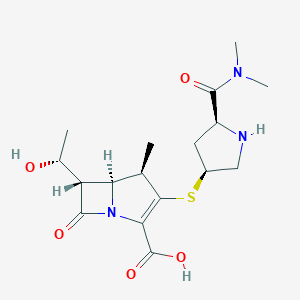
美罗培南
- names:
Meropenem
- CAS号:
96036-03-2
MDL Number: MFCD00864966 - MF(分子式): C17H25N3O5S MW(分子量): 383.46
- EINECS:641-424-1 Reaxys Number:
- Pubchem ID:441130 Brand:BIOFOUNT
| 货品编码 | 规格 | 纯度 | 价格 (¥) | 现价(¥) | 特价(¥) | 库存描述 | 数量 | 总计 (¥) |
|---|---|---|---|---|---|---|---|---|
| CJ0061-5g | 5g | ≥98% | ¥ 2580.00 | ¥ 2580.00 | 1-3days | ¥ 0.00 | ||
| CJ0061-1g | 1g | ≥98% | ¥ 688.00 | ¥ 688.00 | 1-3days | ¥ 0.00 |
| 中文别名 | 美罗培南(96036-03-2);美罗培南; ICI 194660;ICI-194660;ICI194660;SM-7338;SM 7338;SM7338;3-[[5-[(二甲氨基)羰基]-3-吡咯烷基]硫代]-6-(1-羟乙基)-4-甲基-7-氧代-1-氮杂双环[3,2,0]庚-2-烯-2-羧酸;(-)-(4R,5S,6S)-3-[[(3S,5S)-5-(二甲基氨甲酰基)-3;美诺配南;(-)-(4R,5S,6S)-3-[[(3S,5S)-5-(二甲基氨甲酰基);(96036-03-2) |
| 英文别名 | Meropenem(96036-03-2);SM 7338;ICI 194660; ICI-194660; ICI194660; SM-7338; SM 7338; meropenem;Merrem;Penem;Ronem;3-(5-dimethylcarbamoylpyrrolidin-3-ylthio)-6-(1-hydroxyethyl)-4-methyl-7-oxo-1-azabicyclo(3.2.0)hept-2-ene-2-carboxylic acid; |
| CAS号 | 96036-03-2 |
| Inchi | InChI=1S/C17H25N3O5S/c1-7-12-11(8(2)21)16(23)20(12)13(17(24)25)14(7)26-9-5-10(18-6-9)15(22)19(3)4/h7-12,18,21H,5-6H2,1-4H3,(H,24,25)/t7-,8-,9+,10+,11-,12-/m1/s1 |
| InchiKey | DMJNNHOOLUXYBV-PQTSNVLCSA-N |
| 分子式 Formula | C17H25N3O5S |
| 分子量 Molecular Weight | 383.46 |
| 溶解度Solubility | |
| 性状 | 白色灰白色至浅黄色结晶性粉末。微溶于水;微溶于水合乙醇 |
| 储藏条件 Storage conditions | 请根据产品建议的存储条件进行存储,Please store the product under the recommended condition sin the description. |
美罗培南(96036-03-2,Meropenem,SM 7338)毒理性质:
Serum aminotransferase elevations have been reported in 1% to 6% of recipients of intravenous meropenem when given for up to 14 days. These elevations are usually transient, mild and asymptomatic; and rarely require dose adjustment. Meropenem has also been linked to rare cases of cholestatic jaundice that usually arises after 1 to 3 weeks of therapy. Immunoallergic features may be present, but are rarely prominent. Autoantibodies are rare. Most cases are mild and self-limited, but at least one instance of vanishing bile duct syndrome related to meropenem therapy has been published (Case 1). Meropenem has not been reported to cause acute liver failure.
Likelihood score: D (possible rare cause of clinically apparent liver injury).
美罗培南(96036-03-2,Meropenem,SM 7338)实验注意事项:
1.实验前需戴好防护眼镜,穿戴防护服和口罩,佩戴手套,避免与皮肤接触。
2.实验过程中如遇到有毒或者刺激性物质及有害物质产生,必要时实验操作需要手套箱内完成以免对实验人员造成伤害。
3.取样品的移液枪头需及时更换,必要时为避免交叉污染尽可能选择滤芯吸头。
4.称量药品时选用称量纸,并无风处取药和称量以免扬撒,试剂的容器使用前务必确保干净,并消毒。
5.取药品时尽量采用多个药勺分别使用,使用后清洗干净后,烘干消毒存放。
6.实验后产生的废弃物需分类存储,并交于专业生物废气物处理公司处理,以免造成环境污染。
Experimental considerations:
1. Wear protective glasses, protective clothing and masks, gloves, and avoid contact with the skin during the experiment.
2. The waste generated after the experiment needs to be stored separately, and handed over to a professional biological waste gas treatment company to avoid environmental pollution.
Tags:美罗培南试剂,美罗培南杂质,美罗培南合成,美罗培南中间体,美罗培南密度,美罗培南溶解度,美罗培南旋光度,美罗培南购买,美罗培南闪点,美罗培南熔点,

| 产品说明 | 美罗培南(96036-03-2,Meropenem,SM 7338)仅做科学研究以及化学合成中间体使用,96036-03-2其他参数见主页 |
| Introduction | 美罗培南(96036-03-2,Meropenem,SM 7338)used for scientific research and chemical synthesis intermediates |
| Application1 | 美罗培南除对单核细胞增多性李斯特菌具有抑菌作用外,还具有杀菌作用。像其他β-内酰胺类抗生素一样,它抑制细菌壁的合成。 |
| Application2 | |
| Application3 |
1、美罗培南除对单核细胞增多性李斯特菌具有抑菌作用外,还具有杀菌作用。像其他β-内酰胺类抗生素一样,它抑制细菌壁的合成。
2、美罗培南,也被称为梅勒姆IV或罗姆,属于有机化合物类,称为硫霉素。这些是β-内酰胺类抗生素,与青霉素不同之处在于,噻唑烷硫原子被碳取代,然后硫成为侧链中的第一个原子。美罗培南是一种药物,用于治疗由指定微生物的易感分离株引起的以下感染:由于金黄色葡萄球菌(β-内酰胺酶和非b-内酰胺酶)引起的复杂皮肤和皮肤结构感染生产,仅对甲氧西林敏感的分离物),化脓性链球菌,无乳链球菌,绿脓杆菌属链球菌,粪肠球菌(不包括耐万古霉素的分离株),铜绿假单胞菌,大肠杆菌,变形杆菌,脆弱类杆菌和肽链球菌种;复杂阑尾炎和腹膜炎由草绿色链球菌引起的,大肠杆菌,肺炎克雷伯氏菌,铜绿假单胞菌,脆弱拟杆菌,湾 太泰微米和肽链球菌种类。也可用于治疗由肺炎链球菌,流感嗜血杆菌(产生β-内酰胺酶和非β-内酰胺酶的分离株)和脑膜炎奈瑟氏球菌引起的细菌性脑膜炎。美罗培南微溶(在水中)和弱酸性化合物(基于其pKa)。已在多种生物流体(如尿液和血液)中检测到美罗培南。在细胞内,美罗培南主要位于细胞质中。
3、 美洛培南是一种具有广泛活性的碳青霉烯类抗生素,可静脉内施用,用于因敏感剂引起的严重细菌感染。美罗培南是轻度瞬时转氨酶升高的常见原因,很少导致临床上明显的胆汁淤积性肝损伤。
4、无水美罗培南是美罗培南的无水形式,美罗培南是具有抗菌特性的广谱碳青霉烯,合成的美罗培南抑制革兰氏阳性和革兰氏阴性细菌的细胞壁合成。它穿透细胞壁并结合青霉素结合蛋白靶标。美罗培南可对抗需氧菌和厌氧菌,包括克雷伯菌,大肠杆菌,肠球菌,梭状芽孢杆菌(NCI04)。
5、美洛培南与亚胺培南相比,新的肠胃外碳青霉烯美罗培南(SM 7338)与336种淋病奈瑟菌,119株流感嗜血杆菌和110株H.头孢曲松和环丙沙星的活性相比,均优于亚胺培南,但活性均高于两种碳青霉烯。头孢他啶的用法与美罗培南(SM 7338)相似。美洛培南(SM 7338)与亚胺培南和各种实验性Penem一样,可以克服I类β-内酰胺酶带来的耐药性问题。美洛培南(SM 7338)迅速渗透到胸腔积液中,与积聚胸腔积液患者的血液中相比,在胸腔积液中保留的时间更长。胸膜炎引起胸腔积液的患者。
6、美罗培南三水合物(MRP)属于碳青霉烯类化合物在高温,湿度下容易降解。溶于甲醇-水或丙酮-水混合物用作治疗脑膜炎和肺炎的抗菌剂。美罗培南三水合物已被用于对来自港口河口沉积物样品的抗生素分离物进行。
美罗培南应用于抗生素敏感性测试、用于细菌杀灭试验和用于筛选囊性纤维化患者痰基于金黄色葡萄球菌的抗生素、容许性吞噬细胞感染中的巨噬细胞用于从人胆汁中筛选粪肠球菌。
| 警示图 | |
| 危险性 | warning |
| 危险性警示 | No data available |
| 安全声明 | H303吞入可能有害+H313皮肤接触可能有害+H333吸入可能对身体有害 |
| 安全防护 | P264处理后彻底清洗+P280戴防护手套/穿防护服/戴防护眼罩/戴防护面具+P305如果进入眼睛+P351用水小心冲洗几分钟+P338取出隐形眼镜(如果有)并且易于操作,继续冲洗+P337如果眼睛刺激持续+P313获得医疗建议/护理 |
| 备注 | 实验过程中防止吸入、食入,做好安全防护 |
| 象形图 |   |
| 信号 | Danger |
| GHS危险说明 | Aggregated GHS information provided by 12 companies from 2 notifications to the ECHA C&L Inventory. Each notification may be associated with multiple companies. |
| H315 (75%): Causes skin irritation [Warning Skin corrosion/irritation] | |
| H317 (25%): May cause an allergic skin reaction [Warning Sensitization, Skin] | |
| H319 (75%): Causes serious eye irritation [Warning Serious eye damage/eye irritation] | |
| H334 (25%): May cause allergy or asthma symptoms or breathing difficulties if inhaled [Danger Sensitization, respiratory] | |
| H335 (75%): May cause respiratory irritation [Warning Specific target organ toxicity, single exposure; Respiratory tract irritation] | |
| Information may vary between notifications depending on impurities, additives, and other factors. The percentage value in parenthesis indicates the notified classification ratio from companies that provide hazard codes. Only hazard codes with percentage values above 10% are shown. | |
| 防范说明代码 | P261, P264, P271, P272, P280, P285, P302+P352, P304+P340, P304+P341, P305+P351+P338, P312, P321, P332+P313, P333+P313, P337+P313, P342+P311, P362, P363, P403+P233, P405, and P501 |
| (The corresponding statement to each P-code can be found at the GHS Classification page.) |
| Slaney, L., et al., In-vitro activity of meropenem against Neisseria gonorrhoeae, Haemophilus influenzae and H. ducreyi from Canada and Kenya. J Antimicrob Chemother, 1989. 24 Suppl A: p. 183-6. |
| Yang, Y.J. and D.M. Livermore, Interactions of meropenem with class I chromosomal beta-lactamases. J Antimicrob Chemother, 1989. 24 Suppl A: p. 207-17. |
| Makino, J., et al., [Pharmacokinetic study of penetration of meropenem into pleural effusion in patients with pleurisy]. Jpn J Antibiot, 2002. 55(1): p. 77-88. |
| Yoon Seok Song, Sung Woo Park, Yeon Jung Yoon, Hee Kyoon Yoon, Seong Cheol Moon, Byung Goo Lee, Soo Jin Choi, Sun Ah Jun, "METHOD FOR PREPARING MEROPENEM USING ZINC POWDER." U.S. Patent US20120065392, |
| In Vivo Efficacy of Meropenem with a Novel Non-β-Lactam-β-Lactamase Inhibitor, Nacubactam, against Gram-Negative Organisms Exhibiting Various Resistance Mechanisms in a Murine Complicated Urinary Trac |
1. New analyses of MIC90 data to aid antibacterial drug discovery
Matthew F. Brown,* Rishi R. Gupta,* Max Kuhn, Mark E. Flanagan and Mark Mitton-Fry. Med. Chem. Commun., 2011, 2, 735
There are a number of examples in the literature describing statistical analyses of MIC90 raw data (arithmetic mean, geometric mean, median, mode, etc.) to enable rank-ordering compounds with the use of the geometric mean being somewhat common. Therefore, we have also included the geometric mean in our analysis for comparison (Table 1). As was the case with the BMIC90 parameter, con?dence intervals for the geometric mean values are also quite wide and not useful with regard to rank-ordering analogs. As alluded to above, antibacterial research teams often make decisions around compound progression based on MIC90 data. Rank-ordering this set of analogs based solely on the MIC90 data would provide the following: 2 = 3 > 1 = 4 = 5 > BAL30072 > Meropenem. By using the parameters described above, we can attempt to provide a greater degree of separation. Recall that the FDR values strongly suggest that MIC90 values for all compounds are statistically different with 1 and 4 being the exceptions. With this in mind, recognizing the ranking trends observed for the BMIC90, NPS and geometric mean values could lead to the following rank-order: 2 > 3 > 1≈4 > 5 > BAL30072 > Meropenem. Obviously, given the wide con?dence intervals associated with the BMIC90 and geometric mean values, this ranking cannot be stated with 100% con?dence. Drug research teams regularly make decisions with regard to compound advancement based on a variety of information (potency, pharmacokinetics, safety, stability, ease of synthesis, etc.). The methods described above were designed to illustrate potential trends in potency data for single experiments; there is an inherent risk that the analysis could occasionally mislead. That said, the reality of antibacterial drug research involves teams making decisions based on MIC90 data, and while the methods described herein do not enable decisions with 100% con?dence, we are hopeful that they may lead to better informed, higher quality decisions.
2、In Vivo Efficacy of Meropenem with a Novel Non-β-Lactam-β-Lactamase Inhibitor, Nacubactam, against Gram-Negative Organisms Exhibiting Various Resistance Mechanisms in a Murine Complicated Urinary Tract Infection Model
Marguerite L Monogue 1, Sara Giovagnoli 1, Caterina Bissantz 2 3, Claudia Zampaloni 2 4, David P Nicolau 5 6
Abstract Urinary tract infections (UTIs) are a tremendous burden on the health care system due to the vast number of infections resulting in antibiotic therapy and/or hospitalization. Additionally, these infections are frequently caused by multidrug-resistant (MDR) organisms, limiting the availability of effective antimicrobials. Nacubactam is a novel non-β-lactam-β-lactamase inhibitor with in vitro activity against class A and class C β-lactamases. Nacubactam is being developed in combination with meropenem, providing broad-spectrum activity in addition to improved stability against common β-lactamases. Here, we utilized a neutropenic murine complicated UTI (cUTI) model to determine the potential clinical utility of meropenem-nacubactam compared with meropenem or nacubactam alone against 10 Klebsiella pneumoniae, Escherichia coli, and Enterobacter cloacae isolates with diverse genotypic and phenotypic profiles, including NDM, KPC, OXA, CTX-M, SHV, and TEM enzyme-producing isolates. Selected isolates had meropenem-nacubactam MICs between 1 and 8 μg/ml. Meropenem-nacubactam demonstrated the greatest in vivo efficacy against 9 of 10 isolates, achieving a ≥3 log reduction from the 48-h control in all isolates tested, including isolates prepared as high inoculums. Nacubactam alone confirmed antibacterial properties, achieving a >1 log reduction against the majority of isolates. The combination of meropenem-nacubactam further enhanced the activity of either agent alone, notably against meropenem-resistant isolates. Against ceftazidime-avibactam-resistant isolates, meropenem-nacubactam demonstrated increased antibacterial kill upwards of 6 log10 CFU in comparison to the 48-h control. Our data support the potential clinical utility of meropenem-nacubactam for cUTI in humans against MDR Enterobacteriaceae, although further clinical data supporting meropenem-nacubactam efficacy are needed.
3、Meropenem and Vaborbactam: Stepping up the Battle against Carbapenem-resistant Enterobacteriaceae
Sarah Christina Jane Jorgensen 1, Michael Joseph Rybak
Abstract Vaborbactam (VAB; formerly RPX7009) is a novel beta-lactamase inhibitor based on a cyclic boronic acid pharmacophore with potent inhibitory activity against Ambler class A and C beta-lactamases. It has been co-formulated with meropenem to restore its activity against Klebsiella pneumoniae carbapenemases (KPC). VAB does not inhibit class B or D carbapenemases, nor does it improve the activity of meropenem against multidrug-resistant nonfermenting gram-negative bacilli, notably Acinetobacter spp. and Pseudomonas aeruginosa. The purpose of this article is to review existing data pertaining to the biochemistry, mechanism of action, pharmacokinetics/pharmacodynamics, in vitro activity, and current progress in clinical trials of meropenem and VAB (MV). Phase 1 studies have demonstrated single and multiple doses of VAB up to 2000 mg, alone or in combination with meropenem 2000 mg administered as a prolonged infusion over 3 hours, are well tolerated with an adverse effect profile similar to that of meropenem monotherapy. The available data suggest preexisting resistance among KPC-producing isolates is rare. Strains with elevated MICs have been characterized by multiple resistance determinants including porin defects, increased drug efflux, and increased blaKPC expression. It remains uncertain whether multifactorial resistance will emerge during MV treatment and with more widespread use. Early data are positive for complicated urinary tract infections and MV compared with best available therapy in patients with serious carbapenem-resistant Enterobacteriaciae (CRE) infections. As clinicians contemplate how to incorporate MV into CRE treatment strategies, it will be important to track and understand resistance, discern the role, if any, of combination therapy in enhancing efficacy and/or preserving activity, and define the specific therapeutic niche of MV among the expanding anti-CRE armamentarium.
4、Meropenem/Vaborbactam: A Review in Complicated Urinary Tract Infections
Sohita Dhillon 1
Abstract The global threat of the spread of carbapenem resistance in Enterobacteriaceae has led to the search for new antibacterials. Intravenous meropenem/vaborbactam (Vabomere™) is the first carbapenem/β-lactamase inhibitor combination approved in the USA for use in patients with complicated urinary tract infections (cUTIs), including pyelonephritis. Vaborbactam is a potent inhibitor of class A serine carbapenemases, which, when combined with the antibacterial meropenem, restores the activity of meropenem against β-lactamase producing Enterobacteriaceae, particularly Klebsiella pneumoniae carbapenemase (KPC)-producing Enterobacteriaceae. Meropenem/vaborbactam demonstrated excellent in vitro activity against Gram-negative clinical isolates, including KPC- and extended-spectrum β-lactamase (ESBL)-producing Enterobacteriaceae. In the phase 3, noninferiority TANGO I trial in patients with cUTIs, intravenous meropenem/vaborbactam was noninferior to intravenous piperacillin/tazobactam for overall success (composite of clinical cure and microbial eradication; FDA primary endpoint) and microbial eradication (EMA primary endpoint). In subsequent superiority testing, meropenem/vaborbactam was superior to piperacillin/tazobactam for overall success. Meropenem/vaborbactam was generally well tolerated, with a tolerability profile generally similar to that of piperacillin/tazobactam. TANGO I did not assess the efficacy of meropenem/vaborbactam for the treatment of infections caused by carbapenem-resistant Enterobacteriaceae and meropenem/vaborbactam is currently not indicated for these patients. Available evidence indicates that meropenem/vaborbactam is a useful treatment option for patients with cUTIs.
Ren 化学品安全技术说明书 | 版本:1.0 | |||
按照GB/T16483、GB/T17519编制 | 修订日期:10.07.2019 | |||
打印日期:19.02.2020 | ||||
版权所有:范德(北京)生物科技有限责任公司 | 最初编制日期:25.05.2017 | |||
公司网站:WWW.BIO-FOUNT.COM | SDS编号:BIOFOUNT-CJ0061 | |||
版权所有:BIOFOUNT BEIJING BIO TECH CO.,LTD | 产品编号:CJ0061 | |||
美罗培南 | ||||
说明书目录 | ||||
第1部分 | 第2部分 | 危险性概述 | ||
第3部分 | 成分/组成信息 | 第4部分 | 急救措施 | |
第5部分 | 消防措施 | 第6部分 | 泄露应急处理 | |
第7部分 | 操作处置与储存 | 第8部分 | 接触控制/个体防护 | |
第9部分 | 理化性质 | 第10部分 | 稳定性和反应性 | |
第11部分 | 毒理学信息 | 第12部分 | 生态学危害信息 | |
第13部分 | 废弃处置 | 第14部分 | 运输信息 | |
第15部分 | 法律法规信息 | 第16部分 | 其他补充信息 | |
第1部分:化学品及企业标识 | ||||
1.1 产品标识 | ||||
美罗培南 | ||||
ENGLISH NAME: | Meropenem | |||
CJ0061 | ||||
BIOFOUNT | ||||
96036-03-2 | ||||
1.2 安全技术说明书提供者的详情 | ||||
制造商或供应商名称: | ||||
制造地址: | 59 KANGTAI AVENUE BINHAI NEW DISTRICT TIANJIN 300450 TIANJIN CHINA 范德(天津)生物科技有限责任公司 天津市滨海新区康泰大道59号九州通绿谷健康产业园 邮政编码:300450 | |||
电话号码: | ||||
1.3 应急咨询电话 | ||||
紧急联系电话: | ||||
1.4 物质或混合物的推荐用途和限制用途 | ||||
已确认的各用途: | 仅用于科学研发,不作为药品、家庭或其它用途。 | |||
第2部分:危险性概述 | ||||
2.1 GHS危险性类别 | ||||
暂无数据 | ||||
2.2 GHS 标签要素,包括防范说明 | ||||
象形图 | ||||
暂无数据 | ||||
暂无数据 | ||||
暂无数据 | ||||
警告申明 | ||||
避免吸入,误食以及与皮肤接触 | ||||
暂无数据 | ||||
事故响应 | ||||
1.化学品使用过程中,当出现事故或者有紧急情况发生时,当事人应第一时间向应急小组负责人汇报后,由应急小组采取措施防止事态扩大。2.应急小组对受害人采取救护措施。 | ||||
请根据产品建议的存储条件进行存储,Please store the product under the recommended condition sin the description. | ||||
废弃处置 | ||||
暂无数据 | ||||
2.3 物理和化学危险 | ||||
暂无数据 | ||||
2.4 健康危害 | ||||
暂无数据 | ||||
2.5 环境危害 | ||||
暂无数据 | ||||
2.6 其它危害物 | ||||
暂无数据 | ||||
第3部分:成分/组成信息 | ||||
物质/混合物 | 暂无数据 | |||
3.1 物 质 | ||||
C17H25N3O5S | ||||
383.46 | ||||
110-91-8 | ||||
EC-编号 | 暂无数据 | |||
根据相应法规,无需披露具体组份。 | ||||
第4部分:急救措施 | ||||
4.1 必要的急救措施描述 | ||||
吸入 | ||||
立即将患者移至空气新鲜处,发现呼吸困难时,必须立即采取吸氧处理,停止呼吸时采取人工呼吸。同时联系及时就医。 | ||||
皮肤接触 | ||||
立即脱去或者剪去污染的衣物,迅速用大量的流动清水冲10-20分钟甚至更长时间后,赴医院就医。 | ||||
眼睛接触 | ||||
立即用大量的流动清水冲10-20分钟后赴医院就医处理。 | ||||
食入 | ||||
误食化学物品后,应立即采取措施进行催吐。1.若误食化学品呈酸性,则可服用大量牛奶和水,促使食如折呕吐。2.若误食化学品呈碱性,则可服用大量牛奶、清水和醋,促使其呕吐,紧急处理后,应及时送至医院进行治疗(仅供参考)。食如者昏迷状态下禁止催吐,以免造成窒息。 | ||||
4.2 最重要的症状和健康影响 | ||||
最重要的已知症状及作用已在标签(参见章节2.2)和/或章节11中介绍 | ||||
暂无数据 | ||||
4.4 对医生的特别提示 | ||||
暂无数据 | ||||
第5部分:消防措施 | ||||
5.1 灭火介质 | ||||
采用泡沫灭火器、二氧化碳灭火器,避免造成二次污染发生。 | ||||
5.2 源于此物质或混合物的特别的危害 | ||||
暂无数据 | ||||
5.3 灭火注意事项及保护措施 | ||||
小规模着火需戴好口罩,防止有毒气体吸入。火灾发生时及时启动应急相应系统撤离至上风口处,并联系当地消防部门灭火。 | ||||
第6部分:泄露应急处理 | ||||
1.泄露后首先启动应急相应系统2.泄露处理前,需穿戴好安全安全防护鞋、穿戴好安全防护手套(强酸性物质需穿戴防酸碱手套)、根据吸入危险性穿戴相应防护面罩。 有关个人防护,请看第8部分。 | ||||
6.2 环境保护措施 | ||||
参照《范德生物化学废弃物处理方法》处理,防止对环境造成危害,处理后交由有资质的废弃物处理结构进行处理,以免造成环境污染。 | ||||
参照《范德生物化学品废弃物处理方法》对泄露的化学品进行处理,处理前需用化学品吸附岩棉对泄露区域进行围挡,形成“围堰”防止泄露扩大。 | ||||
6.4 参考其他部分 | ||||
丢弃处理请参阅第13节。 | ||||
第7部分:操作处置与储存 | ||||
7.1 安全操作的注意事项 | ||||
使用过程请穿戴好口罩,手套等防护用品,避免与皮肤接触、吸入、误食危险。 有关预防措施,请参见章节2.2。 | ||||
7.2 安全储存的条件,包括任何不兼容性 | ||||
暂时无法提供详细数据,尽可能避免与其他化合物混合存储,避光、通风处存储。 | ||||
第8部分:接触控制/个体防护 | ||||
8.1 控制参数 | ||||
暂无数据 | ||||
8.2 暴露控制 | ||||
适当的技术控制 | ||||
暂无数据 | ||||
个体防护装备 | ||||
一般情况下穿戴安全防护眼镜即可,如有飞溅液体、粉末产生时,请佩戴防溅面罩进行防护。穿戴的防护用品需取得如:GB、NIOSH (美国) 或 EN 166(欧盟) 等相关认证。 | ||||
手套脱去注意事项:手套在使用前必须进行检查,请使用正确的方法脱除手套(不接触手套外部表面),避免身体任何皮肤部位接触到此产品。根据相关法律法规和实验室管理规范制度,手套使用过后,请将被污染的手套谨慎处理,工作后清洗并吹干双手。 所选择的保护手套必须符合法规《劳动防护用品配备标准》、(EU)2016/425以及从此类法规衍生出来的EN 374标准规范。 完全接触保护要求: 手套材料:丁腈橡胶 手套最小的层厚度:0.11 MM 手套溶剂渗透时间:480 分钟 飞溅保护要求: 材料:丁腈橡胶 最小的层厚度 0.11 MM 溶剂渗透时间:480 分钟 如果以溶剂形式应用或与其它物质混合应用,或在不同于《劳动防护用品配备标准》,EN 374规定的条件下应用,请与EC批准的手套的供应商联系。该条只是作为推荐性建议,如遇特殊情况,务必请熟悉该产品属性的专家,选取相关防护用品。此条建议不应该被认定为适应所有特殊条件防护,请根据所处工作条件请求专业工程师指导采取相应防护措施。 | ||||
选择身体部分的防护措施,需要根据危险物质的类型、浓度、量以及特定的工作环境。身体部分防护设备、防护服的类型,必须根据使用者工作场所中的危险物质的浓度、数量进行选择。 | ||||
一般情况下穿戴普通的医用口罩保护呼吸系统即可。有酸雾产生式活性炭类口罩起不到防护作用,如需对粉尘造成损害进行防护时,请采用N95型(US)或P1型(EN 143)类口罩或者防尘面具。特殊情况下使用自吸式呼吸器时,使用的呼吸器必须对呼吸器密闭性、空气供应系统、供气压进行测试,当然呼吸器需通过强制认证标准如:GB、NIOSH(US)、CEN(EU)。 | ||||
环境暴露的控制 | ||||
不要让产品进入下水道。 | ||||
第9部分:理化特性 | ||||
9.1 基本的理化特性的信息 | ||||
形状:暂无数据 | ||||
颜色:暂无数据 | ||||
气味 | 暂无数据 | |||
气味阈值 | 暂无数据 | |||
暂无数据 | ||||
暂无数据 | ||||
初沸点和沸程 | 627.4±55.0 °C at 760 mmHg | |||
闪点 | 333.2±31.5 °C | |||
蒸发速率 | 暂无数据 | |||
易燃性(固体,气体) | 暂无数据 | |||
高的/低的燃烧性或爆炸性限度 | 暂无数据 | |||
蒸气压 | 0.0±4.2 mmHg at 25°C | |||
蒸气焓 | 106.4±6.0 kJ/mol | |||
密度/相对密度 | 1.4±0.1 g/cm3 | |||
DMSO 44 mg/mlMedChem ExpressHY-13678DMSO 77 mg/mL; Water 8 mg/mL; Ethanol <1 mg/mLMedChem ExpressHY-13678 | ||||
正辛醇/水分配系数 | Log Kow (KOWWIN v1.67 estimate) = -1.67/ Boiling Pt, Melting Pt, Vapor Pressure Estimations (MPBPWIN v1.42):
Boiling Pt (deg C): 629.44 (Adapted Stein & Brown method)
Melting Pt (deg C): 325.85 (Mean or Weighted MP)
VP(mm Hg,25 deg C): 6.85E-018 (Modified Grain method)
Subcooled liquid VP: 1.72E-014 mm Hg (25 deg C, Mod-Grain method) | |||
正辛醇空气分配系数 | Log Kow used: -1.67 (KowWin est)
Log Kaw used: -20.865 (HenryWin est)
Log Koa (KOAWIN v1.10 estimate): 19.195
Log Koa (experimental database): None | |||
自燃温度 | 暂无数据 | |||
分解温度 | 暂无数据 | |||
黏度 | 暂无数据 | |||
暂无数据 | ||||
氧化性 | 暂无数据 | |||
根据碎片估算水溶胶 | Wat Sol (v1.01 est) = 1e+006 mg/L | |||
亨利定律常数(25摄氏度) | Bond Method : 3.34E-023 atm-m3/mole
Group Method: Incomplete
Henrys LC [VP/WSol estimate using EPI values]: 6.828E-022 atm-m3 | |||
9.2 其他安全信息 | ||||
暂无数据 | ||||
第10部分:稳定性和反应性 | ||||
10.1 稳定性 | ||||
暂无数据 | ||||
10.2 危险反应 | ||||
暂无数据 | ||||
10.3 应避免的条件 | ||||
暂无数据 | ||||
10.4 禁配物 | ||||
强氧化剂 | ||||
10.5 危险的分解产物 | ||||
暂无数据 | ||||
第11部分:毒理学信息 | ||||
11.1 毒理学影响信息 | ||||
暂无数据 | ||||
皮肤腐蚀/刺激 | ||||
暂无数据 | ||||
暂无数据 | ||||
呼吸或皮肤过敏 | ||||
暂无数据 | ||||
暂无数据 | ||||
暂无数据 | ||||
生殖毒性 | ||||
暂无数据 | ||||
特异性靶器官系统毒性(一次接触) | ||||
暂无数据 | ||||
特异性靶器官系统毒性(反复接触) | ||||
暂无数据 | ||||
吸入危害 | ||||
暂无数据 | ||||
附加说明 | ||||
暂无数据 | ||||
第12部分:生态学危害信息 | ||||
12.1 生态毒性 | ||||
暂无数据 | ||||
12.2 持久性和降解性 | ||||
暂无数据 | ||||
12.3 快速生物降解的可能性 | ||||
Biowin1 (Linear Model) : 1.3705
Biowin2 (Non-Linear Model) : 0.9970 | ||||
12.4 专家调查生物降解结果 | ||||
Biowin3 (Ultimate Survey Model): 2.7924 (weeks )
Biowin4 (Primary Survey Model) : 4.2636 (hours-days ) | ||||
12.5 MITI生物降解的可能性 | ||||
Biowin5 (MITI Linear Model) : 0.2528
Biowin6 (MITI Non-Linear Model): 0.0060 | ||||
12.6 厌氧生物降解的可能性 | ||||
Biowin7 (Anaerobic Linear Model): -0.3298 | ||||
12.7 现成的生物降解性预测 | ||||
NO | ||||
12.8 碳氢化合物生物降解 | ||||
Structure incompatible with current estimation method! | ||||
12.9 对气溶胶的吸附 | ||||
Vapor pressure (liquid/subcooled): 2.29E-012 Pa (1.72E-014 mm Hg)
Log Koa (Koawin est ): 19.195
Kp (particle/gas partition coef. (m3/ug)):
Mackay model : 1.31E+006
Octanol/air (Koa) model: 3.85E+006 | ||||
12.10 羟基自由基反应 | ||||
OVERALL OH Rate Constant = 224.2806 E-12 cm3/molecule-sec
Half-Life = 0.048 Days (12-hr day; 1.5E6 OH/cm3)
Half-Life = 0.572 Hrs | ||||
12.11 臭氧反应 | ||||
OVERALL Ozone Rate Constant = 13.650000 E-17 cm3/molecule-sec
Half-Life = 0.084 Days (at 7E11 mol/cm3)
Half-Life = 2.015 Hrs | ||||
12.12 空气中颗粒物吸附的分数(PHI) | ||||
1 (Junge,Mackay)
Note: the sorbed fraction may be resistant to atmospheric oxidation | ||||
12.13 土壤吸附系数 | ||||
暂无数据 | ||||
12.14 碱/酸催化水解(25℃) | ||||
Koc : 18.45
Log Koc: 1.266 / Aqueous Base/Acid-Catalyzed Hydrolysis (25 deg C) [HYDROWIN v1.67]:
Rate constants can NOT be estimated for this structure!/ | ||||
12.15 利用对数KOW估算生物累积量 | ||||
Log BCF from regression-based method = 0.500 (BCF = 3.162)
log Kow used: -1.67 (estimated) | ||||
12.16 废水处理中的去除 | ||||
Total removal: 1.85 percent
Total biodegradation: 0.09 percent
Total sludge adsorption: 1.75 percent
Total to Air: 0.00 percent
(using 10000 hr Bio P,A,S) | ||||
12.17 三级逸度模型 | ||||
Mass Amount Half-Life Emissions
(percent) (hr) (kg/hr)
Air 1.09e-007 0.73 1000
Water 39 360 1000
Soil 60.9 720 1000
Sediment 0.0713 3.24e+003 0
Persistence Time: 579 hr | ||||
12.18 土壤中的迁移性 | ||||
暂无数据 | ||||
12.19 PBT和VPVB的结果评价 | ||||
暂无数据 | ||||
12.20 其他环境有害作用 | ||||
暂无数据 | ||||
第13部分:废弃处置 | ||||
13.1 废物处理 | ||||
None | ||||
None | ||||
第14部分:运输信息 | ||||
14.1 联合国编号 / UN NUMBER | ||||
欧洲陆运危规 / ER/RID: | None | |||
国际海运危规 / IMDG: | None | |||
国际空运危规 / IATA-DGR: | None | |||
14.2 联合国运输名称 / UN PROPER SHIPPING NAME | ||||
欧洲陆运危规: | None | |||
国际海运危规: | None | |||
国际空运危规: | None | |||
欧洲陆运危规 / ER/RID: | None | |||
国际海运危规 / IMDG: | None | |||
国际空运危规 / IATA-DGR: | None | |||
欧洲陆运危规 / ER/RID : | None | |||
国际海运危规 / IM0DG: | None | |||
国际空运危规 / IATA-DGR: | None | |||
None | ||||
14.6 特殊防范措施 / SPECIAL PRECAUTIONS FOR USER | ||||
None | ||||
None | ||||
第15部分:法律法规信息 | ||||
适用法规 | ||||
《中华人民共和国安全生产法》、《职业病防治法》、《化学化工实验室安全管理规范》 | ||||
其它的规定 | ||||
《生产安全事故报告和调查处理条例》、《职业病防治法》、《职业安全和卫生法》美国1970 | ||||
第16部分:其他补充信息 | ||||
其他信息 版权所有:BIOFOUNT BEIJING BIO TECH CO.,LTD 公司。许可无限制纸张拷贝,仅限于内部使用。 上述信息视为正确,但不包含所有的信息,仅作为指引使用。本文件中的信息是基于我们目前所知,就正确的安全提示来说适用于本品。该信息不代表对此产品性质的保证。BIOFOUNT公司及其附属公司对任何操作或者接触上述产品而引起的损害不负有任何责任。更多使用条款,参见发票或包装条的反面。 更多销售条款及条件请参见HTTP://WWW.BIO-FOUNT.COM/或发票或装箱单的背面。欲悉详情,请联系:SALES@BIO-FOUNT.COM | ||||
- 相关产品
-
< >
- 推荐产品
-
< >
- 最新产品
-
< >
新闻
怎么做细胞爬片免疫组化染色实验
细胞爬片免疫组化染色,是通过细胞爬片是让玻片浸在细胞培养基内,细胞在玻片上生长,主要用于组织学,免疫组织化学...
2020/7/20 22:04:33
提取病毒RNA的实验方法
提取病毒RNA方法分别有:异硫氰酸胍的提取病毒RNA方法、TRIzol LS提取法、Trizol法提取法等等...
2020/7/22 20:29:26
细胞培养耗材技术领先性
细胞培养板行业面临的核心痛点是:常规TC处理后表面亲水角随时间衰减,影响长期培养稳定性,BIOFOUNT高分...
2026/4/28 15:12:51
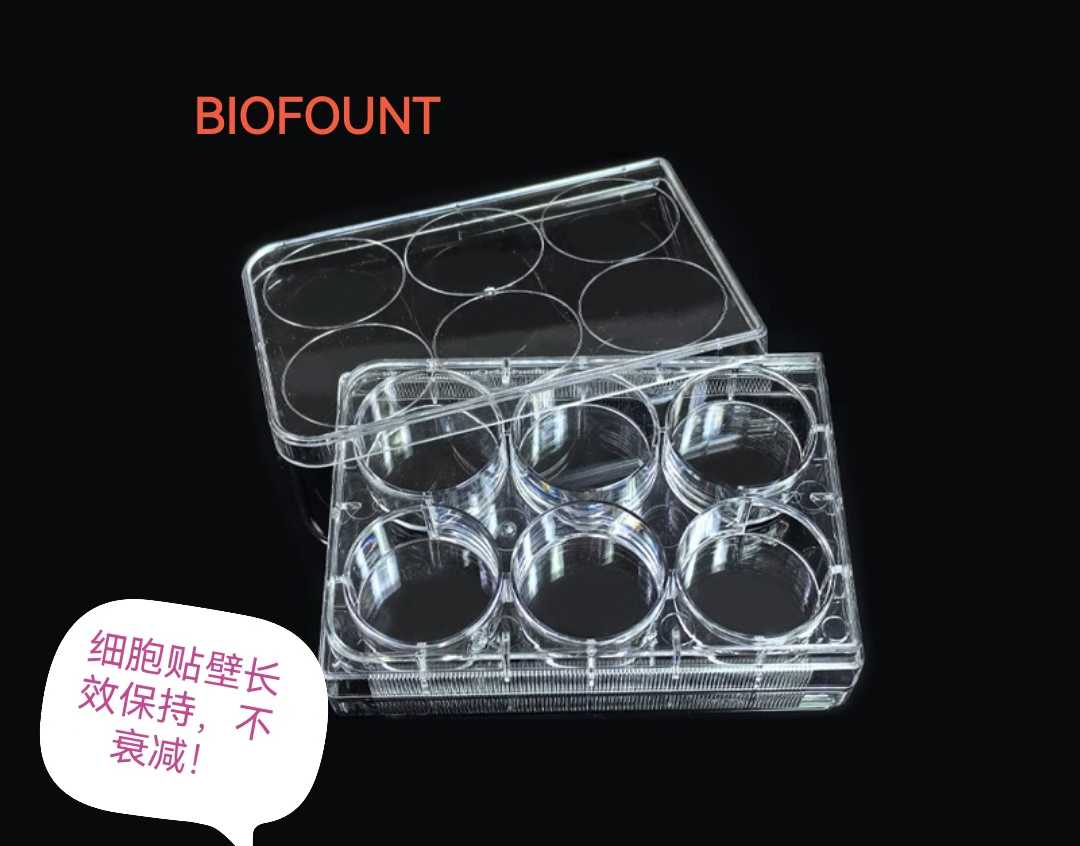
细胞培养耗材关键性能
细胞培养板的水接触角作为表面润湿性的核心指标,直接影响细胞贴壁、增殖、分化及功能表达,其中40°(低接触角/...
2026/4/28 14:52:44
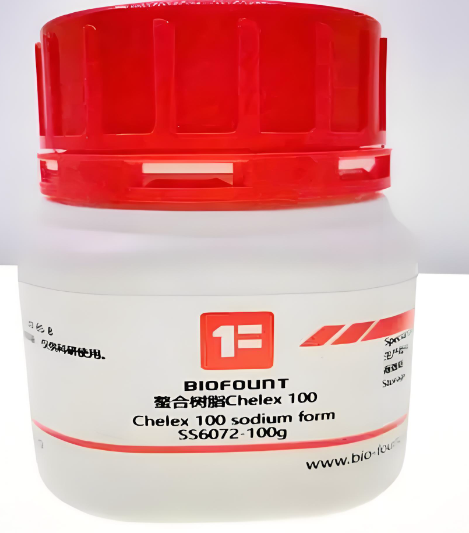
chelex 100树脂国产替代之路-BIOFOUNT范德生物
Chelex 100螯合离子交换树脂对铜、铁和其他重金属?的偏好显著高于对钠、钾等一价阳离子的偏好。它对二价...
2025/11/4 14:22:46

9月开学季——助研新学期 范德送好礼
2025/8/28 15:30:55
Waxfilm 实验室封口膜:技术与国际市场的双重突破
在实验室耗材领域,封口膜是保障实验准确性与稳定性的关键产品之一。近年来,Waxfilm?实验室封口膜凭借其卓...
2025/5/13 13:03:40
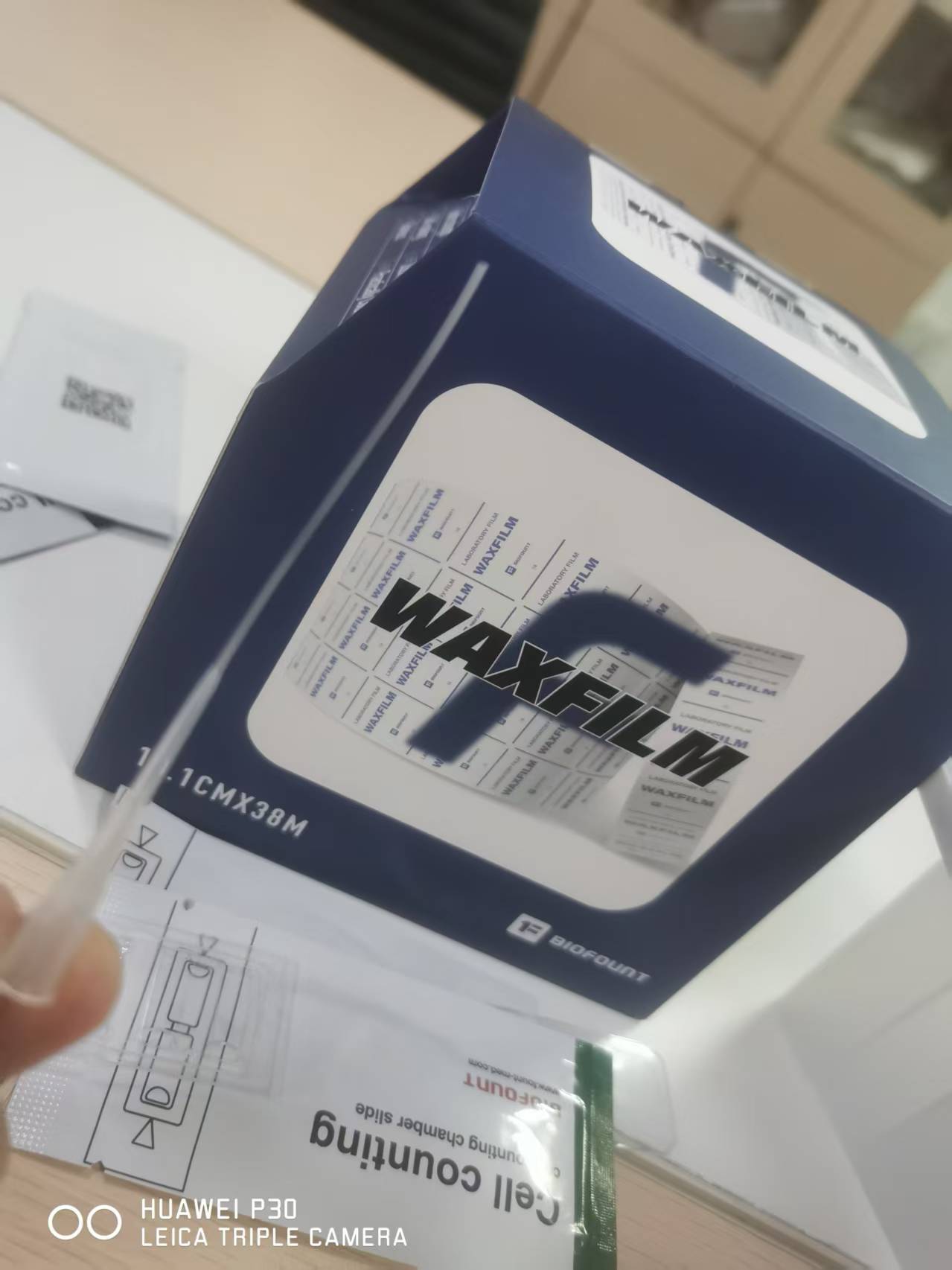
Waxfilm实验室封口膜的5大突破
Waxfilm实验室封口膜作为生物功能膜领域的国产技术突破和品牌突破,是生物领域中国技术发展的缩影。
2025/5/6 17:02:07
各种微流控芯片键合方法的优缺点
微流控芯片键合:目前主要有激光焊接、热压键合、胶键合、超音波焊接,每种方法都有各自的优缺点。本文主要介绍聚酯...
2023/7/28 10:43:09
新一代微流控键合解决方案
微流控键合解决方案:微流控芯片制造的一个重要环节,也是最容易被忽视的--芯片键合。其中一个重要因素是:微流控...
2023/7/27 12:44:28