购物车
购物车 

-
Rosaramicin
- names:
2-((1S,2R,3R,7R,8S,9S,10R,12R,16S,E)-9-(((2S,3R,4S,6R)-4-(dimethylamino)-3-hydroxy-6-methyltetrahydro-2H-pyran-2-yl)oxy)-3-ethyl-7-hydroxy-2,8,12,16-tetramethyl-5,13-dioxo-4,17-dioxabicyclo[14.1.0]heptadec-14-en-10-yl)acetaldehyde
- CAS号:
35834-26-5
MDL Number: - MF(分子式): C31H51NO9 MW(分子量): 581.74
- EINECS: Reaxys Number:
- Pubchem ID: Brand:BIOFOUNT
| 货品编码 | 规格 | 纯度 | 价格 (¥) | 现价(¥) | 特价(¥) | 库存描述 | 数量 | 总计 (¥) |
|---|
| 中文别名 | 2-((1S,2R,3R,7R,8S,9S,10R,12R,16S,E)-9-(((2S,3R,4S,6R)-4-(dimethylamino)-3-hydroxy-6-methyltetrahydro-2H-pyran-2-yl)oxy)-3-ethyl-7-hydroxy-2,8,12,16-tetramethyl-5,13-dioxo-4,17-dioxabicyclo[14.1.0]heptadec-14-en-10-yl)acetaldehyde |
| 英文别名 | Rosaramicin; M 4365A2; M-4365A2 M4365A2; |
| CAS号 | 35834-26-5 |
| Inchi | InChI=1S/C31H51NO9/c1-9-25-20(5)29-31(6,41-29)12-10-23(34)17(2)14-21(11-13-33)28(19(4)24(35)16-26(36)39-25)40-30-27(37)22(32(7)8)15-18(3)38-30/h10,12-13,17-22,24-25,27-30,35,37H,9,11,14-16H2,1-8H3/b12-10+/t17-,18-,19+,20-,21+,22+,24-,25-,27-,28-,29+,30+,31+/m1/s1 |
| InchiKey | IUPCWCLVECYZRV-JZMZINANSA-N |
| 分子式 Formula | C31H51NO9 |
| 分子量 Molecular Weight | 581.74 |
| 溶解度Solubility | |
| 性状 | Solid powder |
| 储藏条件 Storage conditions | Dry, dark and store at 0-4℃ for short term (days to weeks) or -20℃ for long term (Store correctly 2-3years). |
| 产品说明 | Rosaramicin(CAS:35834-26-5):仅限应用于工业或者科学研究过程中非医疗目的,不应用于人类或动物的临床诊断以及治过程疗,该产品非药用,非食用。 |
| Introduction | Rosaramicin is an antibacterial substance that is chemically a lipid-soluble basic macrolide similar to erythromycin but with a better activity against Gram-negative bacteria. |
| Application1 | |
| Application2 | |
| Application3 |
| [1]Massa T, Davis GJ, Schiavo D, Sinha DP, Szot RJ, Black HE, Schwartz E. Tapetal changes in beagle dogs. II. Ocular changes after intravenous administration of a macrolide antibiotic--rosaramicin. Toxicol Appl Pharmacol. 1984 Feb;72(2):195-200. PubMed PMID: 6695372. |
| [2]Funaishi K, Kawamura K, Satoh F, Hiramatsu M, Hagiwara M, Okanish M. New analogues of rosaramicin isolated from a Micromonospora strain. I. Taxonomy, fermentation, isolation and physico-chemical and biological properties. J Antibiot (Tokyo). 1990 Aug;43(8):938-47. PubMed PMID: 2088343. |
| [3] Baughn RE, Musher DM, Adams CB, Knox JM. Evaluation of rosaramicin phosphate in treatment of experimental syphilis in rabbits. Antimicrob Agents Chemother. 1981 Jan;19(1):117-21. PubMed PMID: 7018381; PubMed Central PMCID: PMC181368. |
| [4] Robson HG, Shah PP, Lalonde RG, Hayes L, Senikas VM. Comparison of rosaramicin and erythromycin stearate for treatment of cervical infection with Chlamydia trachomatis. Sex Transm Dis. 1983 Jul-Sep;10(3):130-4. PubMed PMID: 6648747. |
| [5] Darne JF, Ridgway GL, Oriel JD. Rosaramicin and tetracycline in the treatment of non-gonococcal urethritis. A comparison of clinical and microbiological results. Br J Vener Dis. 1982 Apr;58(2):117-20. PubMed PMID: 7039760; PubMed Central PMCID: PMC1046020. |
6: Lin CC, Kim HK, Marco A, Radwanski E, Symchowicz S. Pharmacokinetics and metabolism of [14C]rosaramicin in dogs. Antimicrob Agents Chemother. 1986 May;29(5):753-6. PubMed PMID: 3729339; PubMed Central PMCID: PMC284148.7: Lin CC, Chung M, Gural R, Schuessler D, Kim HK, Radwanski E, Marco A, DiGiore C, Symchowicz S. Pharmacokinetics and metabolism of rosaramicin in humans. Antimicrob Agents Chemother. 1984 Oct;26(4):522-6. PubMed PMID: 6517543; PubMed Central PMCID: PMC179957.8: Nolan CM, Monson TP, Ulmer WC Jr. Rosaramicin versus penicillin G in experimental Pneumococcal meningitis. Antimicrob Agents Chemother. 1979 Dec;16(6):776-80. PubMed PMID: 43705; PubMed Central PMCID: PMC352952.9: Lin C, Kim H, Schuessler D, Oden E, Symchowicz S. High-pressure liquid chromatographic method for determination of rosaramicin in humans. Antimicrob Agents Chemother. 1980 Nov;18(5):780-3. PubMed PMID: 7447432; PubMed Central PMCID: PMC284091.10: Smith JA, Isaac-Renton JL, Jellett JF, Chow AW, Ngui-Yen J. Inhibitory and lethal activities of rosaramicin, erythromycin, and clindamycin against Campylobacter fetus subsp jejuni and intestinalis. Am J Vet Res. 1983 Aug;44(8):1605-6. PubMed PMID: 6625312.1
对不起,暂无产品评价!
MSDS
SDS 1.0 中文
展开
SDS 1.0 英文
展开
- 相关产品
-
< >
- 推荐产品
-
< >
- 最新产品
-
< >
新闻
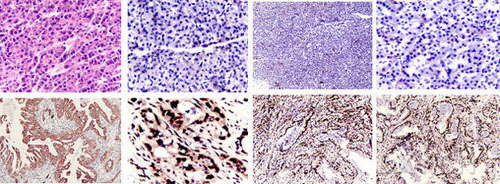
怎么做细胞爬片免疫组化染色实验
细胞爬片免疫组化染色,是通过细胞爬片是让玻片浸在细胞培养基内,细胞在玻片上生长,主要用于组织学,免疫组织化学...
2020/7/20 22:04:33
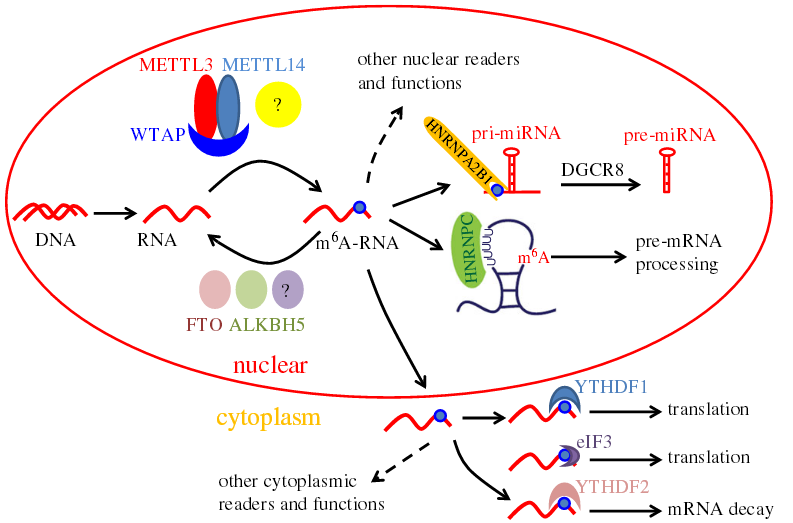
提取病毒RNA的实验方法
提取病毒RNA方法分别有:异硫氰酸胍的提取病毒RNA方法、TRIzol LS提取法、Trizol法提取法等等...
2020/7/22 20:29:26
细胞培养耗材技术领先性
细胞培养板行业面临的核心痛点是:常规TC处理后表面亲水角随时间衰减,影响长期培养稳定性,BIOFOUNT高分...
2026/4/28 15:12:51
细胞培养耗材关键性能
细胞培养板的水接触角作为表面润湿性的核心指标,直接影响细胞贴壁、增殖、分化及功能表达,其中40°(低接触角/...
2026/4/28 14:52:44
chelex 100树脂国产替代之路-BIOFOUNT范德生物
Chelex 100螯合离子交换树脂对铜、铁和其他重金属?的偏好显著高于对钠、钾等一价阳离子的偏好。它对二价...
2025/11/4 14:22:46

9月开学季——助研新学期 范德送好礼
2025/8/28 15:30:55
Waxfilm 实验室封口膜:技术与国际市场的双重突破
在实验室耗材领域,封口膜是保障实验准确性与稳定性的关键产品之一。近年来,Waxfilm?实验室封口膜凭借其卓...
2025/5/13 13:03:40
Waxfilm实验室封口膜的5大突破
Waxfilm实验室封口膜作为生物功能膜领域的国产技术突破和品牌突破,是生物领域中国技术发展的缩影。
2025/5/6 17:02:07
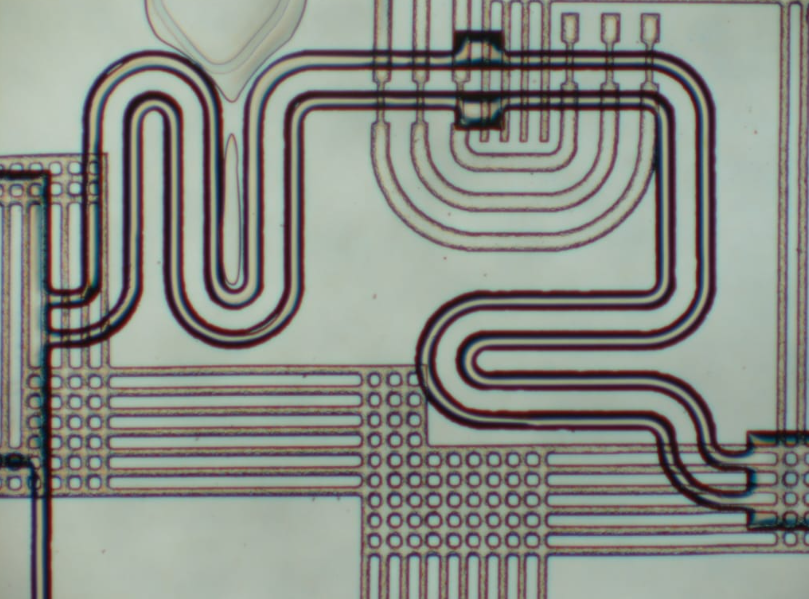
各种微流控芯片键合方法的优缺点
微流控芯片键合:目前主要有激光焊接、热压键合、胶键合、超音波焊接,每种方法都有各自的优缺点。本文主要介绍聚酯...
2023/7/28 10:43:09
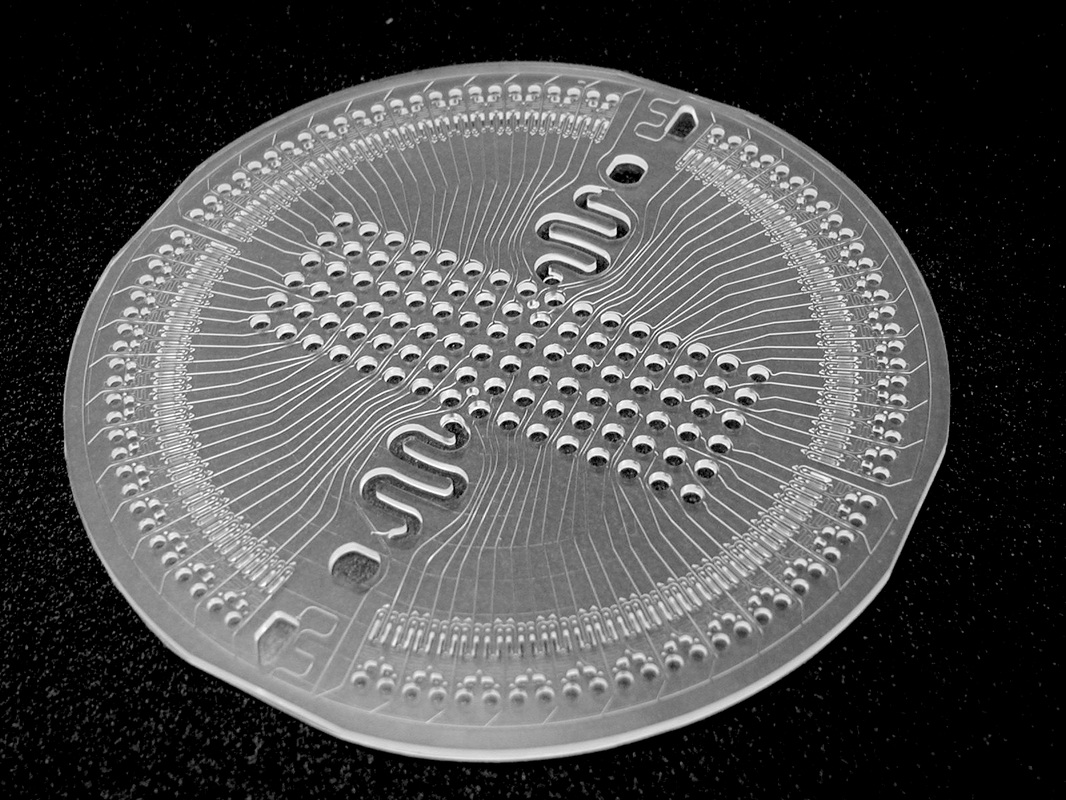
新一代微流控键合解决方案
微流控键合解决方案:微流控芯片制造的一个重要环节,也是最容易被忽视的--芯片键合。其中一个重要因素是:微流控...
2023/7/27 12:44:28