购物车
购物车 

-
Clerocidin
- names:
1-Naphthalenecarboxaldehyde, 5,5'-((tetrahydro-3'a,7'a-dihydroxydispiro(oxirane-2,3'(2'H)-difuro(2,3-b2',3'-e)(1,4)dioxin-7'(6'H),2''-oxirane)-2',6'-diyl)bis(methylene))bis(3,4,4a,5,6,7,8,8a-octahydro-5,6,8a-trimethyl-
- CAS号:
87501-14-2
MDL Number: - MF(分子式): C40H56O10 MW(分子量): 696.878
- EINECS: Reaxys Number:
- Pubchem ID: Brand:BIOFOUNT
| 货品编码 | 规格 | 纯度 | 价格 (¥) | 现价(¥) | 特价(¥) | 库存描述 | 数量 | 总计 (¥) |
|---|
| 中文别名 | Clerocidin |
| 英文别名 | Clerocidin; Antibiotic PR-1350; PR-1350 |
| CAS号 | 87501-14-2 |
| Inchi | InChI=1S/C40H56O10/c1-23-13-15-33(3)25(19-41)9-7-11-27(33)35(23,5)17-29-37(21-45-37)39(43)31(47-29)49-40(44)32(50-39)48-30(38(40)22-46-38)18-36(6)24(2)14-16-34(4)26(20-42)10-8-12-28(34)36/h9-10,19-20,23-24,27-32,43-44H,7-8,11-18,21-22H2,1-6H3 |
| InchiKey | LKJYEAJRWPUOGW-UHFFFAOYSA-N |
| 分子式 Formula | C40H56O10 |
| 分子量 Molecular Weight | 696.878 |
| 溶解度Solubility | |
| 性状 | Solid powder |
| 储藏条件 Storage conditions | Dry, dark and store at 0-4℃ for short term (days to weeks) or -20℃ for long term (Store correctly 2-3years). |
| 产品说明 | Clerocidin(CAS:87501-14-2):仅限应用于工业或者科学研究过程中非医疗目的,不应用于人类或动物的临床诊断以及治过程疗,该产品非药用,非食用。 |
| Introduction | Clerocidin is a terpenoid antibiotic that inhibits bacterial DNA gyrase. |
| Application1 | |
| Application2 | |
| Application3 |
| [1]Nadai M, Sattin G, Palù G, Palumbo M, Richter SN. Clerocidin-mediated DNA footprinting discriminates among different G-quadruplex conformations and detects tetraplex folding in a duplex environment. Biochim Biophys Acta. 2013 Oct;1830(10):4660-8. doi: 10.1016/j.bbagen.2013.05.039. Epub 2013 Jun 6. PubMed PMID: 23747297. |
| [2]Gatto B, Richter S, Moro S, Capranico G, Palumbo M. The topoisomerase II poison clerocidin alkylates non-paired guanines of DNA: implications for irreversible stimulation of DNA cleavage. Nucleic Acids Res. 2001 Oct 15;29(20):4224-30. PubMed PMID: 11600711; PubMed Central PMCID: PMC60217. |
| [3] Binaschi M, Zagotto G, Palumbo M, Zunino F, Farinosi R, Capranico G. Irreversible and reversible topoisomerase II DNA cleavage stimulated by clerocidin: sequence specificity and structural drug determinants. Cancer Res. 1997 May 1;57(9):1710-6. PubMed PMID: 9135013. |
| [4] Richter SN, Menegazzo I, Nadai M, Moro S, Palumbo M. Reactivity of clerocidin towards adenine: implications for base-modulated DNA damage. Org Biomol Chem. 2009 Mar 7;7(5):976-85. doi: 10.1039/b819049f. Epub 2009 Jan 23. PubMed PMID: 19225681. |
| [5] Kawada S, Yamashita Y, Fujii N, Nakano H. Induction of a heat-stable topoisomerase II-DNA cleavable complex by nonintercalative terpenoides, terpentecin and clerocidin. Cancer Res. 1991 Jun 1;51(11):2922-5. PubMed PMID: 1851667. |
6: Richter SN, Fabris D, Moro S, Palumbo M. Dissecting reactivity of clerocidin toward common buffer systems by means of selected drug analogues. Chem Res Toxicol. 2005 Jan;18(1):35-40. PubMed PMID: 15651847.7: Sehested M, Jensen PB. Mapping of DNA topoisomerase II poisons (etoposide, clerocidin) and catalytic inhibitors (aclarubicin, ICRF-187) to four distinct steps in the topoisomerase II catalytic cycle. Biochem Pharmacol. 1996 Apr 12;51(7):879-86. PubMed PMID: 8651936.8: Nadai M, Palù G, Palumbo M, Richter SN. Differential targeting of unpaired bases within duplex DNA by the natural compound clerocidin: a valuable tool to dissect DNA secondary structure. PLoS One. 2012;7(12):e52994. doi: 10.1371/journal.pone.0052994. Epub 2012 Dec 28. PubMed PMID: 23285245; PubMed Central PMCID: PMC3532440.9: Pan XS, Dias M, Palumbo M, Fisher LM. Clerocidin selectively modifies the gyrase-DNA gate to induce irreversible and reversible DNA damage. Nucleic Acids Res. 2008 Oct;36(17):5516-29. doi: 10.1093/nar/gkn539. Epub 2008 Aug 22. PubMed PMID: 18723572; PubMed Central PMCID: PMC2553588.10: Richter S, Gatto B, Fabris D, Takao K, Kobayashi S, Palumbo M. Clerocidin alkylates DNA through its epoxide function: evidence for a fine tuned mechanism of action. Nucleic Acids Res. 2003 Sep 1;31(17):5149-56. PubMed PMID: 12930966; PubMed Central PMCID: PMC212796.1
对不起,暂无产品评价!
MSDS
SDS 1.0 中文
展开
SDS 1.0 英文
展开
- 相关产品
-
< >
- 推荐产品
-
< >
- 最新产品
-
< >
新闻
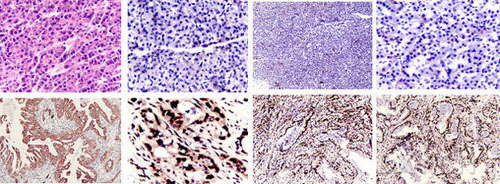
怎么做细胞爬片免疫组化染色实验
细胞爬片免疫组化染色,是通过细胞爬片是让玻片浸在细胞培养基内,细胞在玻片上生长,主要用于组织学,免疫组织化学...
2020/7/20 22:04:33
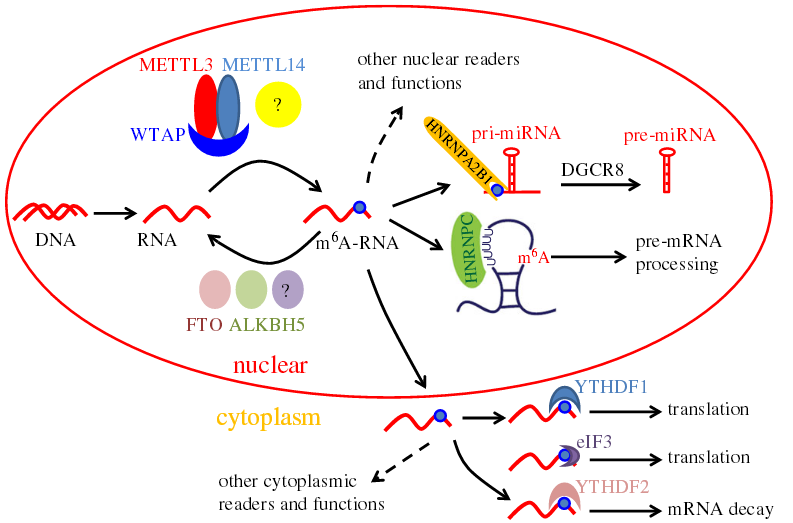
提取病毒RNA的实验方法
提取病毒RNA方法分别有:异硫氰酸胍的提取病毒RNA方法、TRIzol LS提取法、Trizol法提取法等等...
2020/7/22 20:29:26
细胞培养耗材技术领先性
细胞培养板行业面临的核心痛点是:常规TC处理后表面亲水角随时间衰减,影响长期培养稳定性,BIOFOUNT高分...
2026/4/28 15:12:51
细胞培养耗材关键性能
细胞培养板的水接触角作为表面润湿性的核心指标,直接影响细胞贴壁、增殖、分化及功能表达,其中40°(低接触角/...
2026/4/28 14:52:44
chelex 100树脂国产替代之路-BIOFOUNT范德生物
Chelex 100螯合离子交换树脂对铜、铁和其他重金属?的偏好显著高于对钠、钾等一价阳离子的偏好。它对二价...
2025/11/4 14:22:46

9月开学季——助研新学期 范德送好礼
2025/8/28 15:30:55
Waxfilm 实验室封口膜:技术与国际市场的双重突破
在实验室耗材领域,封口膜是保障实验准确性与稳定性的关键产品之一。近年来,Waxfilm?实验室封口膜凭借其卓...
2025/5/13 13:03:40
Waxfilm实验室封口膜的5大突破
Waxfilm实验室封口膜作为生物功能膜领域的国产技术突破和品牌突破,是生物领域中国技术发展的缩影。
2025/5/6 17:02:07
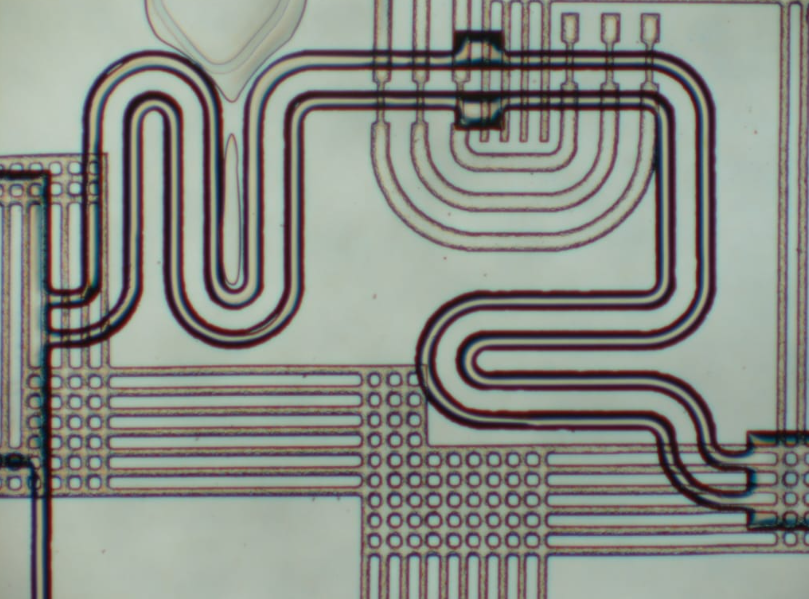
各种微流控芯片键合方法的优缺点
微流控芯片键合:目前主要有激光焊接、热压键合、胶键合、超音波焊接,每种方法都有各自的优缺点。本文主要介绍聚酯...
2023/7/28 10:43:09
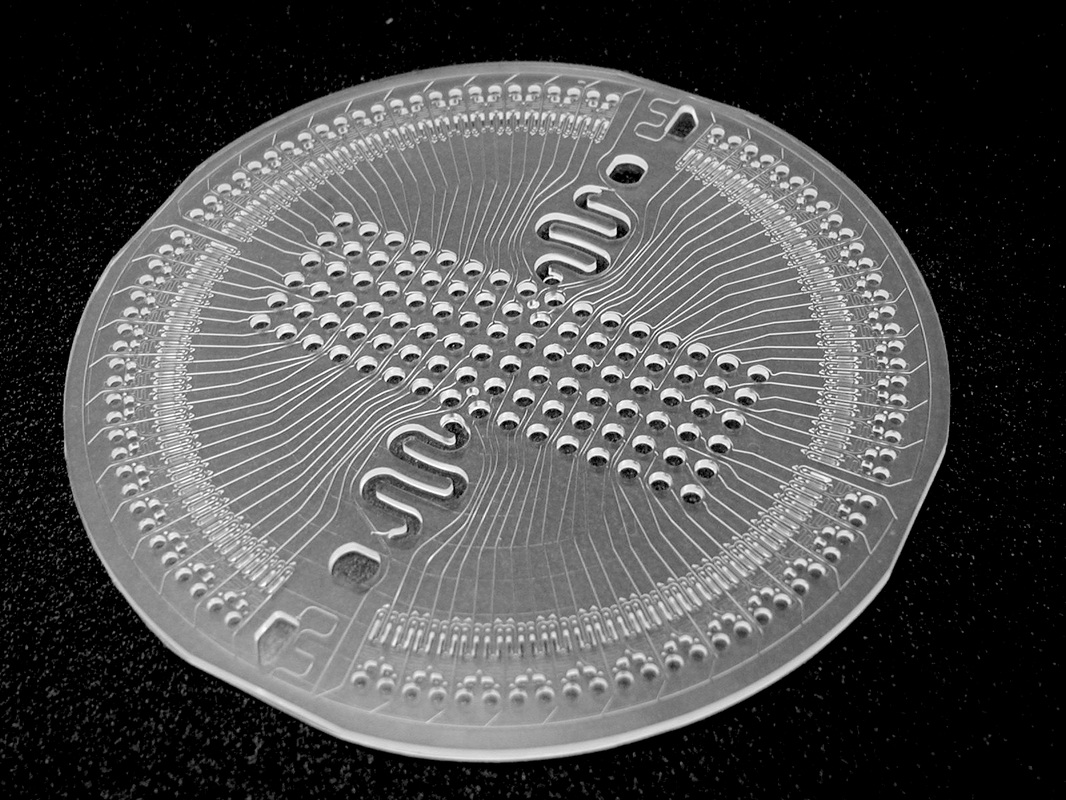
新一代微流控键合解决方案
微流控键合解决方案:微流控芯片制造的一个重要环节,也是最容易被忽视的--芯片键合。其中一个重要因素是:微流控...
2023/7/27 12:44:28